
Selling in San Antonio
Exceptional Homes Deserve a Thoughtful Selling Strategy.
From preparation and presentation to pricing and negotiation, make informed decisions throughout your home sale.
A Thoughtful Selling Strategy
Selling Well Starts Before the Listing Goes Live.
The strongest sale usually begins weeks before a sign goes in the yard. Pricing, preparation, and presentation set the tone for everything that follows. A realistic view of current market conditions — including the homes a buyer will compare yours against — helps you decide where your property belongs and how to position it credibly.
Presentation matters because buyers form an impression quickly. Decluttering, addressing small repairs, improving light, and considering how each room is arranged can make a meaningful difference. The goal is not to make a home look like a different property, but to help buyers see its best qualities clearly.
Timing and demand are part of the strategy as well. Understanding who is most likely to buy your home, what they expect at your price point, and how competing listings are positioned lets you plan showings, marketing, and negotiations with more confidence. A well-prepared home, priced with evidence and presented with care, gives you the best chance of a smooth transaction.

What Is Your Home Worth?
Start with your address, then review a property-specific market analysis — not an automated guess.

Recent sales, current competition, and the details of your home all inform the range. Share your address and Lisa will follow up with the analysis and next steps.
Understanding Your Home's Value
An Estimate Is a Starting Point, Not a Conclusion.
Automated valuation tools use broad data to produce a quick number, but they do not see your home. They do not account for renovations, condition, layout, views, or the specific street-level competition a buyer will consider. A property-specific analysis combines recent sales, active listings, and the details of your home to build a more defensible range.
Start with the tool above, then use the conversation that follows to understand what is driving the number. Pricing is a decision, not a formula — and the right range depends on your goals, the market, and how your property compares with the alternatives buyers are considering.
A Strategic Approach to Presentation
The Details Buyers Notice.
Presentation is not about making a home unrecognizable. It is about removing distractions so buyers can appreciate what is already there.
Photography and Visual Presentation
Clear, accurate photography, thoughtful room order, and honest descriptions help buyers decide whether to visit. Good presentation sets expectations that the property itself can meet.
Pricing and Positioning
Price should reflect the evidence and the competition, not wishful thinking. Positioning your home against the listings buyers will actually compare it with makes the value easier to understand.
Listing Exposure and Marketing
Reaching the right audience matters more than reaching everyone. Accurate listing information, broker channels, and targeted communication put the home in front of buyers whose plans match the property.
Buyer Communication and Negotiation
Questions, showing requests, and offers all require timely, careful responses. Clear communication and disciplined negotiation protect your position while keeping the transaction moving.
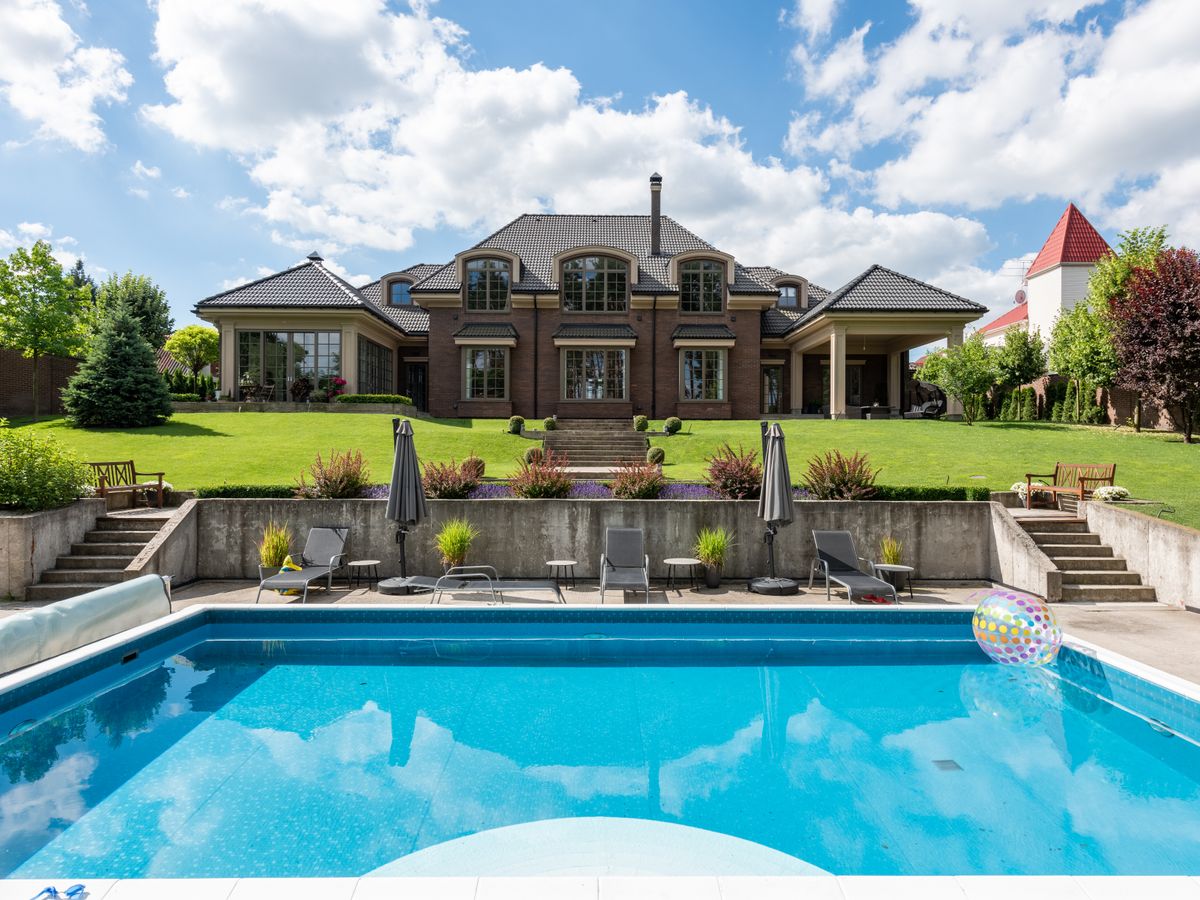
Selling a Luxury Home
Distinctive Properties Ask for a Different Conversation.
Luxury homes rarely sell on square footage alone. Architectural character, materials, privacy, setting, and the way a property supports a particular way of life all influence the buyer who will ultimately value it most. Identifying those distinctive features — and presenting them accurately — is central to the strategy.
Premium finishes, custom construction, and amenities deserve context. Buyers at this level often want to understand how a home was built, how it is maintained, and what ownership will feel like day to day. Discretion matters too: some sellers prefer a quieter, more controlled marketing process, and that preference should shape the plan.
Seller FAQ
Questions Sellers Ask.
How should I prepare my home before listing?
Start with decluttering, deep cleaning, and small repairs that buyers will notice. Improve lighting, address odors, and consider whether furniture placement helps each room read clearly. Larger updates should be weighed against cost and likely return; a consultation can help you decide what is worth doing before listing.
How is my home's value determined?
Value is informed by recent comparable sales, active competition, location, condition, size, layout, and distinctive features. An automated estimate is a rough starting point; a property-specific analysis explains the range and the evidence behind it. The final list price is a strategic decision made with your goals in mind.
Should I price high and leave room to negotiate?
Pricing above the evidence can reduce interest and extend time on market, which sometimes leads to larger reductions later. A price supported by comparables tends to attract better-qualified buyers and preserves negotiating room. The right approach depends on competition, demand, and your timeline.
Do I need to make repairs before selling?
Not every repair is necessary, but known issues should be disclosed and considered in pricing. Buyers often factor inspection findings into their offer, so addressing significant items early can reduce friction. Cosmetic improvements are optional; structural, safety, and system issues deserve careful thought.
How do showings work?
Showings are scheduled around your preferences and the buyer's timeline. Prepare by tidying, securing valuables and pets, and turning on lights. Feedback from showings is useful evidence: consistent comments can point to a pricing, presentation, or condition adjustment.
How should I evaluate multiple offers?
Compare net terms, not just headline price. Financing strength, down payment, contingencies, requested repairs or credits, closing date, and the buyer's flexibility all affect the likelihood of a successful close. An offer that is slightly lower but more certain can be the stronger choice.
How long does a sale usually take?
Timelines vary with price, condition, demand, financing, and contract terms. Some homes move quickly; others need more time to find the right buyer. Your plan should include a realistic expectation for the marketing period and the closing window, with room for inspection and appraisal steps.
What happens between contract and closing?
The buyer typically completes inspections, the lender orders an appraisal, and title work is reviewed. Negotiations may continue over repairs or credits. Keep documents organized, respond to requests promptly, and prepare for the final walkthrough and closing appointment.
Your Next Move
A Better Sale Begins with a Clear Plan.
Start with an honest conversation about your property, your timing, and what you want the sale to achieve.