Home Valuation in San Antonio
Know What Your Home Is Worth — and Why.
Understand the factors behind your home's market position, then start with your address for a property-specific review.

Understanding Your Home's Value
A Valuation Is a Starting Point, Not a Conclusion.
A home's value is not a single number produced by a formula. It is a range shaped by location, condition, updates, layout, lot, views, competition, and the motivations of the buyers and sellers in the market at that moment. Two homes on the same street can have different market positions for reasons that a broad estimate cannot see.
Automated tools can be useful for a quick orientation, but they do not inspect the property. They may not account for a renovation, a premium lot, a functional floor plan, deferred maintenance, or the specific competition a buyer will compare. A property-specific analysis puts those details into context.
The goal is not to promise a price. It is to build a defensible range and a strategy for presenting the home in a way that supports it.
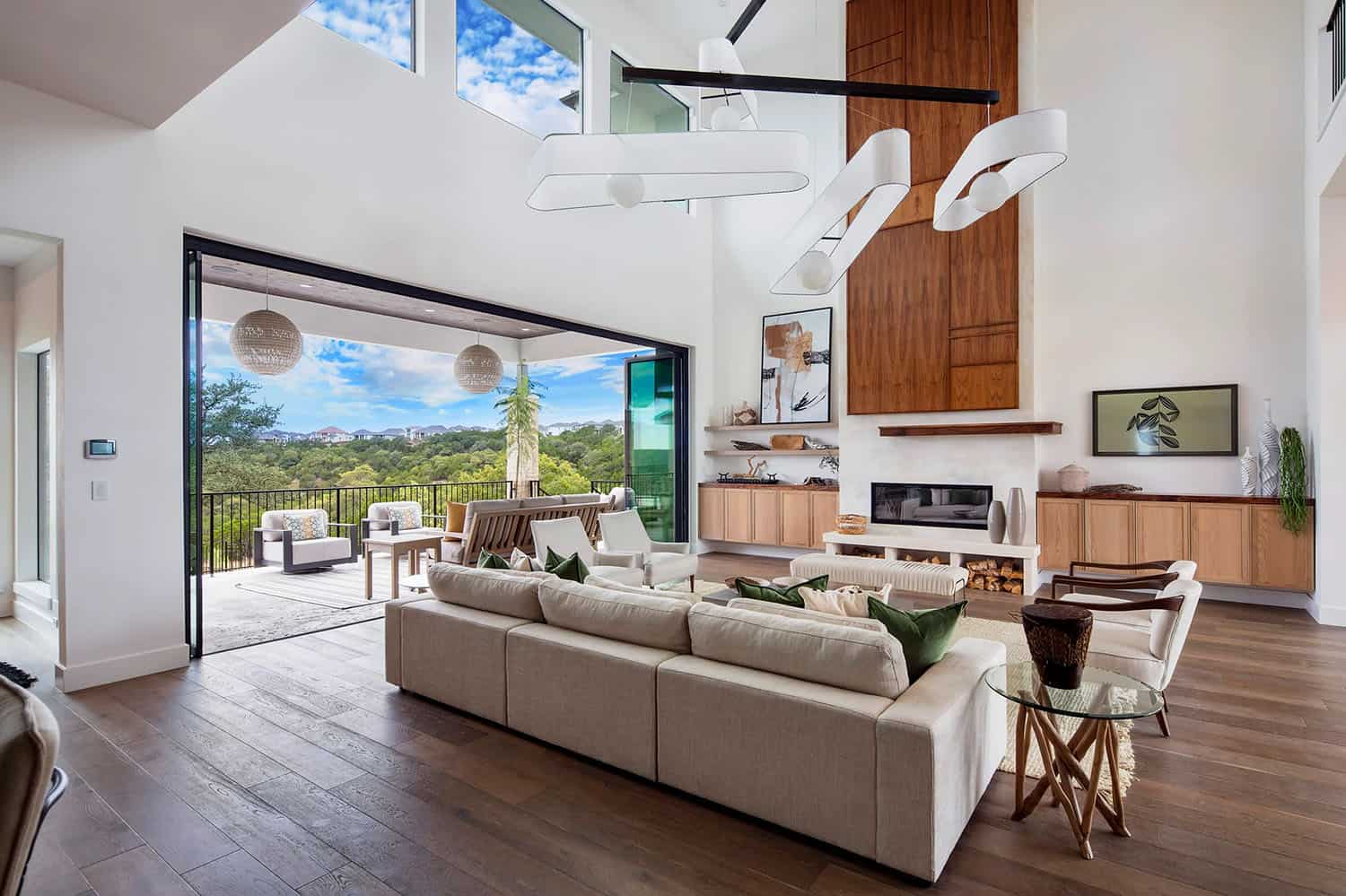
Market Positioning
The Factors That Shape the Number.
Pricing is a comparison exercise, but the comparison has to be fair. These are the areas that deserve a closer look before a listing strategy is set.
Location and Setting
Neighborhood, access, lot position, views, privacy, and exposure to traffic or noise all influence how buyers compare a home with alternatives.
Condition and Maintenance
Roof, HVAC, plumbing, electrical, windows, and exterior materials affect both buyer confidence and the likely scope of negotiations.
Updates and Finishes
Renovations can support value when they are well executed and aligned with the neighborhood. Not every improvement returns its cost; the market decides what it values.
Layout and Function
Bedroom count, primary suite, work-from-home space, storage, flow, and accessibility can matter more to a buyer than a list of finishes.
Lot and Outdoor Space
Size, usability, landscaping, pool, outdoor living, and privacy are part of the comparison, especially in San Antonio's climate.
Competition and Timing
The active alternatives a buyer can choose from, the pace of new listings, and the season all affect negotiating leverage. A strong home in a crowded segment needs a sharper strategy.
Start With Your Address
Request a Property-Specific Review.
Begin with your street address, then share a few details about the home. The next step is a conversation about the property, the competition, and the range that makes sense.
What Is Your Home Worth?
Start with your address, then review a property-specific market analysis — not an automated guess.

Recent sales, current competition, and the details of your home all inform the range. Share your address and Lisa will follow up with the analysis and next steps.
Preparing for a Sale
Presentation Begins Before the Photos.
Preparation is not about making a home unrecognizable. It is about removing distractions so buyers can see what is already there.
- Address the visible issues first. Minor repairs, paint, lighting, and deep cleaning often do more for buyer confidence than a major remodel.
- Clarify the floor plan. Reduce clutter, define each room's purpose, and make the flow easy to understand in person and in photos.
- Document improvements. Gather permits, warranties, service records, and receipts for significant work. Documentation supports the listing and the negotiation.
- Prepare for inspections. Know the age of major systems and address anything that could become a surprise during the buyer's inspection.
- Think about the competition. Walk through the active alternatives a buyer will see. The goal is to be the most compelling choice in the comparison, not simply the most expensive.
No valuation or sale price is guaranteed. Market conditions, property condition, buyer demand, and negotiation all affect the outcome. A valuation is an opinion of market position, not a promise of results.
Seller FAQ
Questions Before You List.
Is an online estimate accurate enough to price my home?
It can be a useful starting point, but it is not a substitute for a property-specific review. Online tools may not see updates, condition, lot advantages, or current competition. Use the estimate as a reference, then verify the details.
Should I renovate before selling?
Not automatically. The right answer depends on the property, the competition, and the likely buyer. Some improvements support value and speed; others cost more than they return. Prioritize items that affect confidence, function, or a first impression.
How long will it take to sell?
It depends on price, condition, location, competition, and marketing. A well-positioned home can move quickly; a home that is mispriced or underprepared can sit. A realistic pricing and preparation plan is more useful than a promised timeline.
What if the market changes after we list?
Monitor showing activity, buyer feedback, and competing listings. If the response is slower than expected, adjust the strategy based on evidence rather than waiting. Pricing is a decision, not a fixed formula.
Do I need to move out before selling?
Not usually. A occupied home can show well when it is prepared and access is coordinated. Discuss the showing plan, privacy, pets, and scheduling so the process is workable for your household.
What documents should I gather?
Gather property tax information, HOA documents, warranties, permits, service records, and any disclosures required in your situation. Having the file organized makes the listing and closing process smoother.
A Clearer Next Step
Let's Put Your Home's Value in Context.
Start with the property and the questions that matter. We will help you understand the range, the competition, and the plan.